CAVA Nutrition Facts Best Healthy Menu Choices Explained
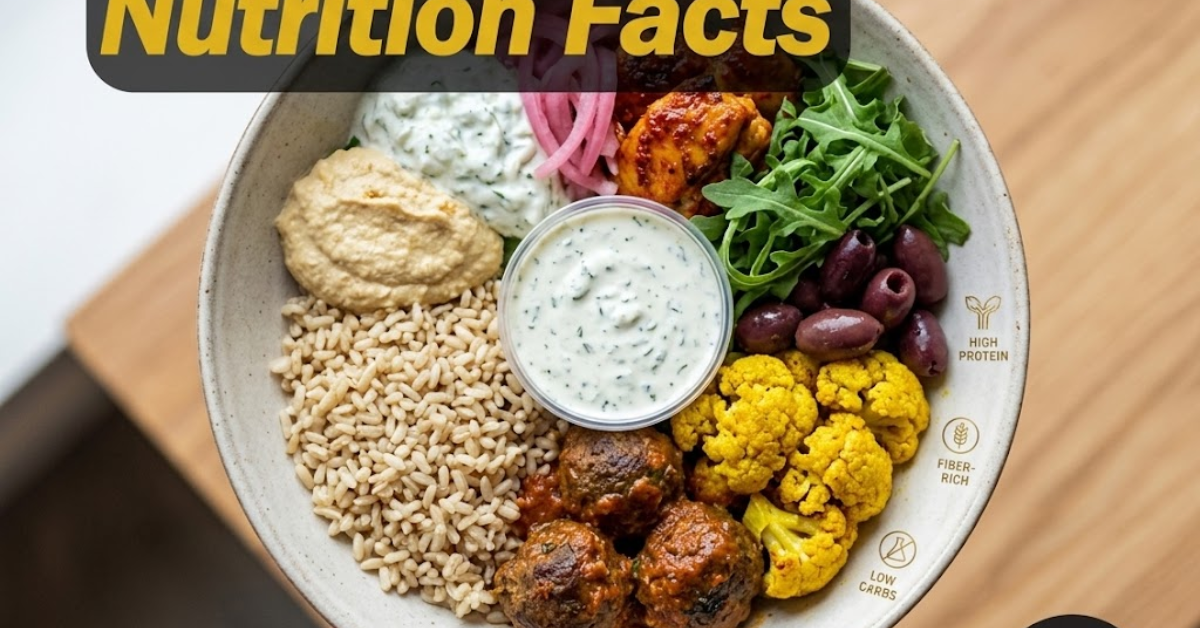
If you want to make informed choices at CAVA, understanding CAVA nutrition facts can help you build a meal that fits your needs. CAVA offers customizable bowls, pitas, salads, dips, and sides, so the nutritional value can vary depending on the ingredients and portions you choose. Looking at calories, protein, carbohydrates, fat, fiber, and sodium gives you a clearer picture of what is on your plate.
Whether you are tracking macronutrients, looking for a higher-protein meal, or simply curious about your order, checking the nutrition information makes comparing options easier. In this guide, we’ll break down popular CAVA menu items, ingredients, serving sizes, and key nutritional details to help you choose confidently.
CAVA Nutrition Facts at a Glance
| Category | Typical Calorie Range |
| Full bowl (base + protein + dip + toppings + dressing) | 400–900 calories |
| Curated bowls (menu presets) | 185–1,330 calories |
| Curated pitas | 650–980 calories |
| Bases | 20–310 calories |
| Proteins | 130–230 calories |
| Dips & spreads | 15–70 calories |
| Dressings | 30–180 calories |
| Sides | 90–230 calories |
How Many Calories Are in CAVA?
A standard CAVA bowl with a grain or greens base, one protein, one dip, a few toppings, and a light dressing generally lands between 500 and 750 calories. Add a second protein, a heavier dressing like Garlic, or a whole pita on the side, and that number climbs toward 900–1,100 calories quickly. The lightest bowls greens base, lean protein, tzatziki, and vinaigrette can come in under 450 calories.
CAVA Calories by Serving Size
CAVA doesn’t use fixed “small/medium/large” sizing instead, calories scale with how many scoops of each ingredient you choose:
- Single scoop of base: roughly 20–310 calories depending on the base
- Single scoop of protein: roughly 130–230 calories
- Half-portion swaps (like half greens/half grains) roughly average the two calorie counts
- Extra scoops of dips or dressings add their full calorie count again there’s no discount for a second serving
CAVA Nutrition Calculator
Because a CAVA bowl can be built dozens of different ways, the most reliable way to know your exact meal’s nutrition is to use a nutrition calculator either CAVA’s own tool or one of several free third-party calculators built on CAVA’s published data. These let you add each ingredient one at a time and see a running total for calories, protein, carbs, fat, and sodium before you order (or as you customize in the app).
How to Calculate Calories in a CAVA Bowl
- Start with your base note its calorie count.
- Add your protein add its calories and protein grams.
- Add one dip or spread most are under 70 calories, but they add up fast if you choose two or three.
- Add toppings vegetables are nearly free calorically; feta and olives are not.
- Add dressing last this is often the single biggest swing factor in the whole bowl.
- Total everything compare against your daily calorie or macro target.
How to Build a CAVA Bowl for Your Goals
- For weight loss: greens base, grilled chicken, tzatziki, extra vegetables, vinaigrette
- For muscle building: grains or greens/grains mix, double protein, hummus, light dressing
- For low-carb eating: greens base only, any protein, avoid grains and pita
- For plant-based eating: greens or grains base, falafel or roasted vegetables, hummus, tahini
CAVA Base Options and Nutrition
The base is the foundation of the bowl and one of the biggest calorie levers you control.
| Base | Approx. Calories | Protein | Fiber |
| SuperGreens / Arugula / Baby Spinach | 20–40 cal | 1–2g | 1–2g |
| Basmati Rice | 200–250 cal | 4–5g | 1–2g |
| Brown Rice | 250–310 cal | 5–6g | 2–3g |
| Black Lentils | 260–280 cal | 18g | 15g |
| Mixed Greens & Grains | 130–180 cal | 5–6g | 2–3g |
Greens Base Nutrition
Greens bases like SuperGreens, arugula, and baby spinach are the lowest-calorie option on the menu typically under 40 calories per serving while still delivering fiber, vitamins, and volume.
Grains Base Nutrition
Basmati rice and brown rice add meaningful calories (200–310) along with complex carbohydrates for sustained energy, making them a good pick for higher-activity days.
Pita Base Nutrition
A whole warm pita base adds around 300–310 calories on its own more than any grain option so it’s best treated as a deliberate choice rather than a default add-on.
Half Greens and Half Grains Nutrition
Splitting your base between greens and grains is one of the most popular ways to balance volume, fiber, and calories you get roughly half the calorie count of a full grain base while still getting some complex carbs.
CAVA Protein Options and Nutrition
| Protein | Approx. Calories | Protein (g) |
| Grilled Chicken | 130–170 cal | 23–26g |
| Grilled Steak | 180–220 cal | 20–23g |
| Braised Lamb | 200–230 cal | 18–20g |
| Falafel | 220–260 cal | 6–8g |
Grilled Chicken Nutrition
Grilled chicken is widely considered the leanest protein on the CAVA menu, offering one of the best protein-to-calorie ratios of any menu item ideal if you’re prioritizing lean muscle-building macros.
Grilled Steak Nutrition
Steak brings slightly more fat and calories than chicken but still delivers a strong protein payoff per serving, with a richer flavor profile.
Braised Lamb Nutrition
Braised lamb (and CAVA’s spicy lamb meatball option) is protein-dense with bolder, spiced flavor, though it runs a bit higher in fat and sodium than chicken.
Falafel Nutrition
Falafel is CAVA’s signature plant-based protein vegan-friendly and a solid fiber source, but it’s lower in protein and higher in calories per serving than the meat options, since it’s fried and grain-based.
Which CAVA Protein Has the Most Protein?
Grilled chicken typically has the highest protein content relative to its calorie count, making it the top pick for anyone tracking a high-protein, calorie-conscious macro target.
CAVA Dips and Spreads Nutrition
| Dip/Spread | Approx. Calories |
| Hummus | 40–50 cal |
| Crazy Feta | 60–70 cal |
| Tzatziki | 25–35 cal |
| Harissa | 60–70 cal |
| Roasted Red Pepper Hummus | 25–30 cal |
| Eggplant & Red Pepper Dip | 15–20 cal |
Hummus Nutrition
Classic hummus offers healthy fats and some fiber for a moderate calorie cost, making it one of the more balanced dip choices.
Crazy Feta Nutrition
Crazy Feta is flavorful but one of the richer dips on the menu a small addition, but it adds up fast if paired with other high-calorie toppings.
Tzatziki Nutrition
This yogurt-based dip is one of the lightest spread options, adding creaminess without a heavy calorie cost.
Harissa Avocado Nutrition
Harissa-based spreads bring bold heat and healthy fat from avocado, but they land on the higher end of the dip calorie range worth using in moderation if you’re stacking multiple dips.
CAVA Toppings and Nutrition
| Topping | Approx. Calories |
| Cabbage Slaw | 15–25 cal |
| Pickled Onions | 5–15 cal |
| Tomato & Cucumber | 10–20 cal |
| Roasted Vegetables | 30–50 cal |
| Feta | 70–90 cal |
Cabbage Slaw Nutrition
Cabbage slaw is a near-zero-calorie way to add crunch, volume, and fiber to your bowl.
Pickled Onions Nutrition
Pickled onions are essentially calorie-free flavor a great pick if you want acidity without any nutritional cost, though they can be higher in sodium.
Tomato and Cucumber Nutrition
Fresh vegetables like tomato and cucumber add negligible calories while boosting the volume and freshness of your bowl.
Roasted Vegetables Nutrition
Roasted vegetables add more flavor depth and slightly more calories than raw toppings, largely from the oil used in roasting, but remain a nutrient-dense choice.
Feta Nutrition
Feta cheese is the highest-calorie topping on the list and a notable sodium source a flavorful finishing touch, but one to portion mindfully.
CAVA Dressings and Sauces Nutrition
| Dressing | Approx. Calories |
| Yogurt Dill | 25–35 cal |
| Greek Vinaigrette | 60–90 cal |
| Lemon Herb Tahini | 100–130 cal |
| Garlic Dressing | 170–190 cal |
Lemon Herb Tahini Nutrition
This creamy, sesame-based dressing adds rich flavor and healthy fats but sits in the mid-to-upper calorie range for dressings.
Garlic Dressing Nutrition
Garlic Dressing is consistently the highest-calorie dressing on the menu bold and craveable, but easily the biggest single swing factor if you’re watching calories closely.
Yogurt Dill Dressing Nutrition
Yogurt Dill is the lightest dressing option, offering tang and creaminess for a fraction of the calories of heavier sauces.
Greek Vinaigrette Nutrition
A classic oil-and-vinegar-style dressing that’s lighter than the creamy options while still adding real flavor.
Which CAVA Dressing Has the Fewest Calories?
Yogurt Dill Dressing consistently comes in as the lowest-calorie dressing option, making it the go-to pick for lighter bowls.
CAVA Pita and Side Nutrition
CAVA Pita Nutrition
A whole warm pita adds roughly 300–310 calories; a mini pita comes in closer to 110 calories, making it a lighter alternative if you still want bread with your bowl.
Pita Chips Nutrition
Pita chips are a crunchy side option but calorie-dense for their portion size, generally landing in the 200-calorie range per serving.
Side Salad Nutrition
A side salad is one of the lowest-calorie add-ons on the menu, typically under 100 calories depending on dressing.
CAVA Bowl Calories
| Bowl Type | Approx. Calorie Range |
| Chicken Bowl | 450–700 cal |
| Steak Bowl | 500–750 cal |
| Lamb Bowl | 550–800 cal |
| Falafel Bowl | 550–800 cal |
| Greens & Grains Bowl | 400–600 cal |
| Salad (no grains) | 350–550 cal |
CAVA Chicken Bowl Calories
A grilled chicken bowl with a moderate base, one dip, and a light dressing typically lands in the 450–700 calorie range, making it one of the more balanced default choices.
CAVA Steak Bowl Calories
Steak bowls run slightly higher than chicken due to steak’s extra fat content, usually landing around 500–750 calories with similar toppings.
CAVA Lamb Bowl Calories
Lamb bowls tend to be among the richer options, often 550–800 calories once dips and dressing are added.
CAVA Falafel Bowl Calories
Falafel bowls can rival or exceed meat-based bowls in calories, since falafel itself is calorie-dense — worth pairing with lighter dips if you’re managing overall intake.
CAVA Greens and Grains Bowl Calories
Splitting the base keeps this style in a moderate 400–600 calorie range depending on protein and add-ons.
CAVA Salad Calories
Salad-style bowls (greens base, no grains or pita) are typically the lowest-calorie format, often 350–550 calories with protein included.
CAVA Kids Meal Nutrition
CAVA’s kids meals are scaled-down bowls or pitas, generally landing in the 250–450 calorie range depending on the protein and sides chosen, with the same fresh-ingredient philosophy as the adult menu.
Is CAVA Healthy?
Yes CAVA can be a genuinely healthy choice, especially compared to typical fast food, because the format is built around vegetables, legumes, whole grains, and grilled proteins rather than fried or heavily processed ingredients. That said, “Mediterranean” doesn’t automatically mean low-calorie: some curated pitas and heavily-loaded bowls can exceed 900 calories, and sodium can climb quickly if you stack multiple dips, pickled toppings, and feta.
Why CAVA Can Be a Healthy Choice
- Vegetable- and legume-forward menu with real produce, not just garnish
- Grilled, not fried, protein options
- Dressings built on olive oil, yogurt, and tahini rather than heavy cream
- High customization lets you control portions ingredient-by-ingredient
- Several high-fiber, high-protein options (black lentils, falafel, chicken)
Biggest Calorie Drivers at CAVA
How Bases Affect CAVA Calories
Swapping a grain base for greens can save 150–270 calories instantly this is the single biggest lever in the entire bowl.
How Dips Affect CAVA Calories
One dip is rarely a problem, but stacking two or three especially Crazy Feta or Harissa can quietly add 150–200 extra calories.
How Dressings Affect CAVA Calories
Choosing Garlic Dressing over Yogurt Dill can be a 150-calorie difference on its own often the single biggest swing decision at the counter.
How Toppings Affect CAVA Calories
Vegetables add almost nothing calorically, but feta, olives, and nuts (where offered) can meaningfully raise the total if used generously.
CAVA Protein, Carbs and Fat
A typical full CAVA bowl breaks down roughly as follows, though this shifts significantly based on your choices:
| Macro | Typical Range (full bowl) |
| Protein | 25–45g |
| Carbohydrates | 40–90g |
| Fat | 20–40g |
CAVA High-Protein Meals
- Greens/grains base + double chicken + hummus + light dressing
- Black lentils base + steak + hummus
- Grains base + lamb + tzatziki
CAVA Low-Calorie Meals
- Greens base + grilled chicken + tzatziki + vegetables + vinaigrette
- Side salad + single protein, no pita
CAVA Low-Carb Options
- Greens base only (skip grains and pita)
- Any protein except falafel (falafel is grain-based)
- Vegetable toppings over grain-heavy add-ons
CAVA High-Fiber Options
- Black lentils base (roughly 15g fiber)
- Falafel (roughly 5g fiber)
- Extra roasted or raw vegetable toppings
CAVA Lower-Sodium Options
- Limit to one dip instead of two or three
- Choose Yogurt Dill or Greek Vinaigrette over Garlic Dressing
- Go light on feta, olives, and pickled toppings
CAVA Vegetarian Options
Hummus, falafel, all base options, most toppings, and most dressings are vegetarian-friendly, making it easy to build a fully vegetarian bowl.
CAVA Vegan Options
Falafel, roasted vegetables, hummus, and vinaigrette-style dressings are typically vegan; dairy-based dips like tzatziki and Crazy Feta are not.
CAVA Gluten-Free Options
Bowls built without pita or pita chips are generally gluten-free-friendly; always confirm with staff or the app due to shared preparation areas.
CAVA Dairy-Free Options
Skipping feta, tzatziki, and Crazy Feta keeps a bowl dairy-free; hummus, tahini-based dressings, and vegetable toppings are safe defaults.
Best CAVA Bowl for a Balanced Meal
A greens-and-grains base with grilled chicken, hummus, roasted vegetables, and a light vinaigrette hits a solid balance of protein, fiber, healthy fat, and moderate calories.
Best CAVA Order for More Protein
Double protein (chicken or steak) over a greens/grains base with hummus is the most efficient way to raise protein without dramatically increasing calories.
Best CAVA Order for Lower Calories
Greens base, single lean protein, one light dip, vegetable toppings, and vinaigrette or yogurt dill dressing keeps the total meal well under 500 calories.
Best CAVA Order for Lower Carbs
Greens base only, any protein except falafel, hummus or tzatziki, and vegetable toppings — skip rice and pita entirely.
Healthiest CAVA Ingredients to Choose
- Greens base
- Grilled chicken
- Black lentils
- Roasted vegetables
- Tzatziki or vinaigrette dressing
CAVA Ingredients to Limit
- Garlic Dressing (highest-calorie dressing)
- Multiple dips stacked together
- Extra feta or olives
- Whole pita in addition to a full bowl
Common CAVA Calorie Mistakes
- Choosing two or three dips instead of one
- Defaulting to Garlic Dressing without comparing options
- Adding a whole pita on the side of an already-full bowl
- Overlooking that grain bases can double a bowl’s calories versus greens
- Assuming “Mediterranean” automatically means low-calorie
Is CAVA Good for a Balanced Diet?
Yes, with intentional building. CAVA’s ingredient variety makes it realistic to hit protein, fiber, and vegetable targets in a single meal the key is treating the dip and dressing choices as deliberate decisions rather than defaults.
CAVA vs Other Fast-Casual Restaurants
CAVA vs Chipotle Nutrition
Both offer build-your-own bowls with similar calorie ranges; CAVA generally offers more vegetable and legume variety, while Chipotle’s rice and bean portions tend to run slightly higher in calories per scoop.
CAVA vs Sweetgreen Nutrition
Sweetgreen leans more salad-forward with generally lower average calorie counts, while CAVA’s grain and pita options give it a wider calorie range overall.
CAVA vs Panera Nutrition
Panera’s menu includes more bread- and pasta-heavy options that typically run higher in calories and refined carbs compared to CAVA’s Mediterranean bowl format.
How Accurate Is CAVA Nutrition Information?
CAVA publishes official nutrition data for its standard menu items, but because bowls are fully customizable, exact totals depend on your specific combination and portion choices third-party calculators use this published data but can vary slightly in rounding and formatting.
Are CAVA Calories Accurate?
Published values are generally reliable for planning purposes, but real-world variation happens due to scoop size, regional differences, and preparation treat published numbers as close estimates rather than lab-precise figures.
How to Order CAVA for Your Nutrition Goals
- Decide your priority (protein, low-calorie, low-carb, or fiber) before you get in line.
- Choose your base first it’s the biggest calorie lever.
- Pick one protein that matches your goal.
- Limit yourself to one dip.
- Load up on vegetable toppings freely.
- Choose your dressing last, and compare it against the lighter options.
Frequently Asked Questions About CAVA Nutrition
- Is CAVA actually healthy for you?
Yes, CAVA can be a healthy choice because you can build meals with vegetables, whole grains, beans, lean proteins, and healthy fats. Portions and sauces can raise calories, sodium, or saturated fat.
- Is CAVA high in sugar?
CAVA meals are not necessarily high in sugar, but some dressings, sauces, drinks, and sweet toppings can add significant amounts of sugar. Check the nutrition information for your specific order.
- How many calories are in a CAVA?
Calories vary widely depending on what you order. A CAVA bowl or pita can range from a few hundred calories to well over 1,000 with calorie-dense toppings and dressings.
- Is CAVA healthier than wine?
If you mean CAVA sparkling wine, neither is a direct comparison: CAVA the restaurant can provide a nutritious meal, while CAVA wine is an alcoholic beverage. Their nutritional roles are completely different.
- Is CAVA good for diabetics?
CAVA can fit into a diabetes-friendly eating pattern when you choose non-starchy vegetables, protein, beans, and moderate portions of whole grains while limiting sugary sauces and drinks. Individual needs vary, so follow your healthcare professional’s advice.
A quick disclaimer: Nutrition values in this guide are typical estimates based on publicly available CAVA data and may vary by location, portion, and menu updates. If you have a medical condition, allergy, or clinical dietary need, confirm exact figures with CAVA’s official nutrition resources or a registered dietitian before making decisions based on this guide.

Hi, I’m Benjamin, the person behind FactsAboutDog.com. 🐶
I’m passionate about dogs and love sharing interesting, fun, and educational facts about our furry friends. Through FactsAboutDog.com, I aim to make learning about dogs simple, enjoyable, and informative for dog lovers everywhere.
From amazing dog facts to breed information and fascinating animal knowledge, my goal is to help readers discover something new every day.
Explore the world of dogs with Benjamin at FactsAboutDog.com!