Fun Facts About Pigs That’ll Change How You See Them
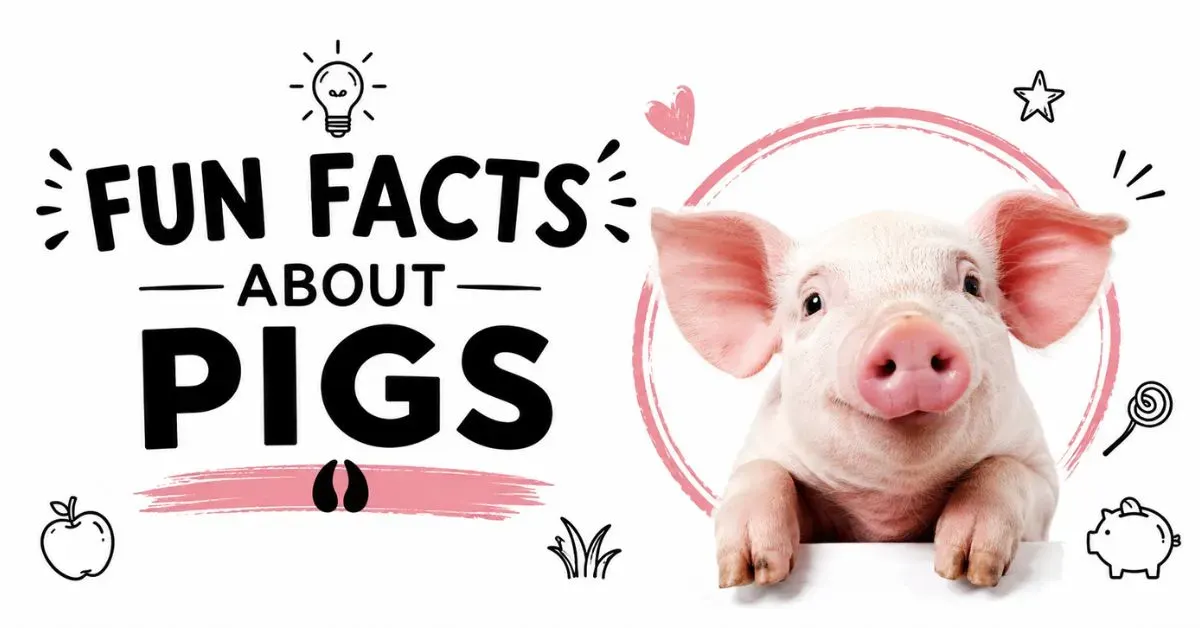
Pigs are far cleaner, smarter, and more emotionally rich than the barnyard stereotype suggests, and these fun facts about pigs prove it fact by fact. I’ve spent hours down the research rabbit hole on swine behavior and animal cognition, and honestly, pigs keep beating expectations. If you’ve ever dismissed a pig as just a farm animal destined for bacon, this is your reset button.
From mother sows singing lullabies to piglets recognizing their own names, the science on domesticated pig behavior reveals something closer to a dog than a stereotype. This guide walks through verified, research-backed facts about pig intelligence, communication, and social bonding the kind of details that make you look at Sus scrofa domesticus completely differently.
Fun Facts About Pigs Prove They’re Incredibly Clean Animals
One of the most repeated fun facts about pigs contradicts everything the phrase “pigsty” implies about their hygiene habits. Given adequate space, pigs consistently separate sleeping, feeding, and toileting areas, refusing to soil where they eat or rest, even as newborn piglets.
Their muddy reputation actually comes from thermoregulation, not filth, since pigs lack functional sweat glands entirely. Wallowing in mud cools their skin, blocks sunburn, and deters parasites, making mud-bathing a survival strategy rather than evidence of a dirty, careless animal.
Fun Facts About Pigs and Their Nonstop Communication
Pigs are constant talkers, using more than twenty distinct vocalizations to express hunger, warn of danger, or call for mates across a farmyard. These grunts and squeals vary by individual personality, giving each pig a recognizable communication style that caretakers learn to read over time.
Sows in particular use specific vocal patterns to bond with piglets from birth, reinforcing one of the strongest parent-offspring relationships found among farm animals. This constant chatter reflects genuine social intelligence, not random noise, according to livestock behavior researchers studying vocal communication patterns.
Mother Pigs Sing to Their Babies While Nursing
It’s one of the sweetest fun facts about pigs: nursing sows produce rhythmic, song-like grunts specifically while feeding their piglets. Newborns learn to recognize and run toward their mother’s voice within days, and this maternal vocal bonding mirrors patterns seen in far more “advanced” mammals.
Fun Facts About Pigs Being Faster Than You Think
Despite their stocky build, pigs are surprisingly athletic, with adult domestic pigs reaching speeds around 11 miles per hour on open ground. That’s fast enough to complete a seven-minute mile, easily outrunning casual joggers who assume pigs move slowly across pasture or field.
Wild boars push this even further, hitting speeds up to 15 miles per hour when escaping predators in natural habitats. This athleticism helped wild swine populations survive for generations, and it’s a trait domestic breeds retained even after thousands of years near humans.
Fun Facts About Pigs’ Extraordinary Sense of Smell
A pig’s snout is a finely tuned sensory tool, built for detecting food, identifying other pigs, and navigating terrain with remarkable precision. Their olfactory ability rivals or exceeds that of many dog breeds, which is exactly why some cultures still use trained pigs for truffle hunting.
Poor eyesight makes this heightened smell essential for survival, guiding pigs toward buried roots, tubers, and edible plants underground. This sensory trade-off, sharp nose over sharp eyes, shapes nearly every foraging behavior wild and domestic pigs display throughout their daily routines.
Fun Facts About Pigs Dreaming and Sleeping Nose-to-Nose
Like humans, pigs experience REM sleep, and researchers believe this stage involves actual dreaming, memory processing, and healthy brain function. This puts pigs in a small group of mammals confirmed to cycle through dream states similar to our own nightly sleep patterns.
Socially, pigs prefer sleeping in close-contact piles, often nose-to-nose with trusted companions rather than isolated corners. This “piggy pile” behavior reflects deep social bonding, since few farm animals choose physical closeness during rest as consistently and deliberately as pigs do.
Fun Facts About Pigs as Opportunistic, Not Fussy, Eaters
Pigs are true omnivores, capable of processing both plant and animal matter without the pickiness people often assume about livestock diets. In the wild, boars survive on roots, seeds, insects, and even carrion, adapting their diet to whatever their environment provides seasonally.
This flexible appetite is likely the origin of the phrase “eating like a pig,” though it actually reflects impressive dietary adaptability rather than gluttony. Domestic pigs on farms typically eat corn, wheat, soy, or barley, a far more structured diet than their opportunistic wild relatives.
Fun Facts About Pigs Being Smarter Than Your Dog
Cognitive research consistently ranks pigs among the most intelligent domesticated animals, often placing them ahead of most dog breeds in problem-solving tests. Pigs can learn their names within two weeks, respond when called, and even outperform some primates on interactive video game tasks.
This intelligence isn’t just novelty trivia; it shapes how pigs navigate social hierarchies, remember locations, and adapt to new environments quickly. Comparing pig cognition to a human toddler’s isn’t an exaggeration, it’s a conclusion backed by repeated behavioral and neurological studies.
Fun Facts About Pigs Being Surprisingly Loud
A pig’s squeal can reach roughly 115 decibels, louder than a supersonic airliner and well past the volume of most farm equipment. This intensity usually signals distress, excitement, or urgent communication, since pigs rarely vocalize at top volume without a clear behavioral reason behind it.
That volume capacity ties directly into their broader vocal range, giving pigs an unusually wide toolkit for expressing needs. Combined with their twenty-plus distinct sounds, this loudness confirms just how vocally expressive and socially engaged pigs really are day to day.
Fun Facts About Pigs’ Excellent Sense of Direction
Pigs possess a genuinely impressive internal compass, capable of navigating home across surprisingly long distances without obvious landmarks to guide them. Researchers studying wild boar and warthog movement patterns have found evidence suggesting swine may detect directional cues most mammals simply can’t perceive.
This navigational skill likely evolved to help wild pigs relocate food sources and escape danger efficiently across unfamiliar terrain. Paired with their running speed, this sense of direction makes pigs remarkably self-sufficient animals capable of covering serious ground when necessary.
Fun Facts About Pigs Having Excellent Memories
Object-location memory is a specific pig superpower, letting them recall exact spots where they previously found food or resources. Once a pig finds a great foraging site, it remembers that precise location and will return to it with striking accuracy weeks or months later.
This memory strength ties directly into their broader cognitive profile, reinforcing why pigs rank so highly among intelligent farm animals. Combined with name recognition and problem-solving skills, strong spatial memory rounds out a genuinely impressive mental toolkit most people never expect from swine.
Fun Facts About Pigs Having Distinct Personalities
Just like people, individual pigs display consistent temperament differences, ranging from bold and adventurous to cautious and reserved by nature. Behavioral researchers treat this personality variation seriously, since understanding individual differences directly improves welfare standards and management practices across farms and sanctuaries alike.
This personality awareness also shapes how caretakers interact with pigs day to day, adjusting handling based on individual comfort levels. Far from identical farm units, pigs emerge as individuals with preferences, quirks, and social styles as varied as any household pet.
Fun Facts About Pigs Loving Belly Rubs and Affection
Pigs are deeply social animals that actively seek out physical affection, including belly rubs from trusted human caretakers whenever possible. They’ll also rub against trees and enrichment structures, showing a clear preference for touch-based comfort similar to companion animals like dogs.
Enrichment toys and playful interaction matter too, since pigs benefit mentally from stimulation beyond basic feeding routines. This affection-seeking behavior reinforces just how emotionally present pigs are, forming genuine bonds with both other pigs and the humans who care for them.
Pig Facts at a Glance
| Trait | Fact | Why It Matters |
| Running speed | ~11 mph (domestic), up to 15 mph (wild boar) | Faster than most casual joggers |
| Squeal volume | Up to 115 decibels | Louder than a supersonic airliner |
| Vocalizations | 20+ distinct sounds | Reflects complex social communication |
| Intelligence ranking | Among top 5 smartest animals | Outperforms most dog breeds in cognition tests |
| Sleep behavior | REM sleep, nose-to-nose piles | Confirms dreaming and strong social bonding |
| Memory | Precise object-location recall | Remembers food sources for weeks or months |
FAQ Section
What are some fun facts about pigs? Pigs are exceptionally clean, communicate using more than 20 distinct vocalizations, and rank among the most intelligent domesticated animals. They also dream during REM sleep, recognize their own names, and form strong social bonds with both pigs and humans.
Are pigs really smarter than dogs? Yes, in many cognitive tests, pigs outperform most dog breeds. They learn their names within two weeks, solve problems quickly, and have been shown to play interactive games with notable success, placing them among the top five most intelligent animals.
Why do pigs roll in mud if they’re clean animals? Pigs lack functional sweat glands, so mud wallowing helps regulate body temperature, prevent sunburn, and deter parasites. It’s a cooling strategy, not a hygiene failure given enough space, pigs keep their sleeping and eating areas completely separate from waste.
Do pigs actually dream? Yes. Pigs experience REM sleep, the stage associated with dreaming in humans and other mammals. Researchers believe this supports memory processing and healthy brain function, and pigs often sleep piled nose-to-nose with trusted companions during this cycle.
How fast can a pig run? Domestic pigs can reach speeds around 11 miles per hour, fast enough to complete a seven-minute mile. Wild boars are even quicker, reaching up to 15 miles per hour when escaping predators in natural environments.

Hi, I’m Benjamin, the person behind FactsAboutDog.com. 🐶
I’m passionate about dogs and love sharing interesting, fun, and educational facts about our furry friends. Through FactsAboutDog.com, I aim to make learning about dogs simple, enjoyable, and informative for dog lovers everywhere.
From amazing dog facts to breed information and fascinating animal knowledge, my goal is to help readers discover something new every day.
Explore the world of dogs with Benjamin at FactsAboutDog.com!